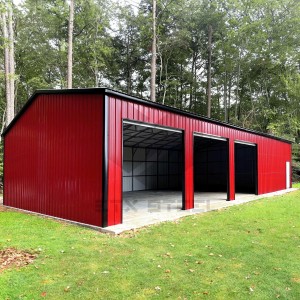
Jumping straight into size or pricing is where most pole barn projects go wrong.
A building might look right on paper, but if the layout doesn’t fit your workflow or the foundation isn’t suited to your land, it can turn into a long-term frustration. The best metal pole barns are planned around how they’ll actually be used day to day.
Here’s what to think through before you build.
Start With How You’ll Use the Space
Before anything else, get clear on what this building needs to handle.
Is it storing equipment? Housing livestock? Serving as a workshop? Or doing all three?
Each use changes how the space should function. A barn used occasionally for storage will be laid out very differently from one that sees daily traffic with trucks, trailers, or machinery.
Think through:
- How often will you be in and out
- What needs to move through the space
- Where access points should be
When you start with real use instead of square footage, the rest of the decisions become easier.
Choose a Layout That Works Long-Term
One of the biggest advantages of post-frame buildings is the ability to create wide, open interiors. That flexibility gives you room to design around your needs rather than work around structural limitations.
The key is not boxing yourself in too early.
Instead of over-segmenting the interior, focus on:
- Door placement for easy entry and exit
- Drive-through capability if you’re moving equipment
- Spacing that allows for turning and maneuvering
- Room for future additions or changes
A common mistake is building too tightly. What fits today can feel restrictive a year from now, especially if your equipment or usage changes.
Understand Your Foundation Options
The foundation is what everything else depends on. It affects stability, longevity, and how well your building performs over time.
Most metal pole barns use one of the following:
- Concrete slab – best for workshops, garages, or frequent use
- Pier or post foundation – common for agricultural and lighter-use buildings
- Perimeter footing – used when additional structural support is needed
The right choice depends on:
- soil conditions
- drainage on your property
- how much weight the building will support
Getting this part right early prevents issues later, especially in areas where moisture or shifting soil can create problems.
Plan for East Texas Conditions
Buildings in this region deal with heat, humidity, and strong storms throughout the year.
That means your plan should account for:
- Airflow and ventilation
- Roof style that sheds water effectively
- Materials that won’t break down in high humidity
Steel holds up well in these conditions, but the way your building is positioned and designed still plays a role in how it performs long-term.
Think Beyond Day One
It’s easy to design for what you need right now. The better approach is to think about what your property might need later.
- Will you add more equipment?
- Turn part of the space into a workshop?
- Expand your operation?
Post-frame buildings make it easier to adapt over time, but only if you leave room for that flexibility upfront. A little extra space or the right layout decisions now can save you from having to rebuild later.
Work With a Builder Who Understands the Details
Much of your building's success comes down to the planning stage.
An experienced builder can help you:
- Avoid layout issues that limit usability
- Choose the right foundation for your site
- Position the structure for better access and drainage
It’s not just about getting a building up. It’s about getting one that actually works once it’s in place.
Design a Metal Pole Barn That Fits Your Property
The difference between a building that looks good and one that actually performs comes down to how it’s planned from the start.
If you’re considering a metal pole barn, take time to think through your layout, foundation, and future use before locking anything in.
At ETX Steel, you can start with our virtual builder or contact us to design and customize a metal pole barn that fits your land and holds up for the long haul.